

Product Care Guide
Care that keeps the kitchen ready for what comes next.
Kitchen essentials live through repeated routines: chopping, stirring, baking, pouring, serving, washing and storing. A thoughtful care habit can help keep cookware, tools, tableware and organization pieces clean, orderly and ready for everyday use.
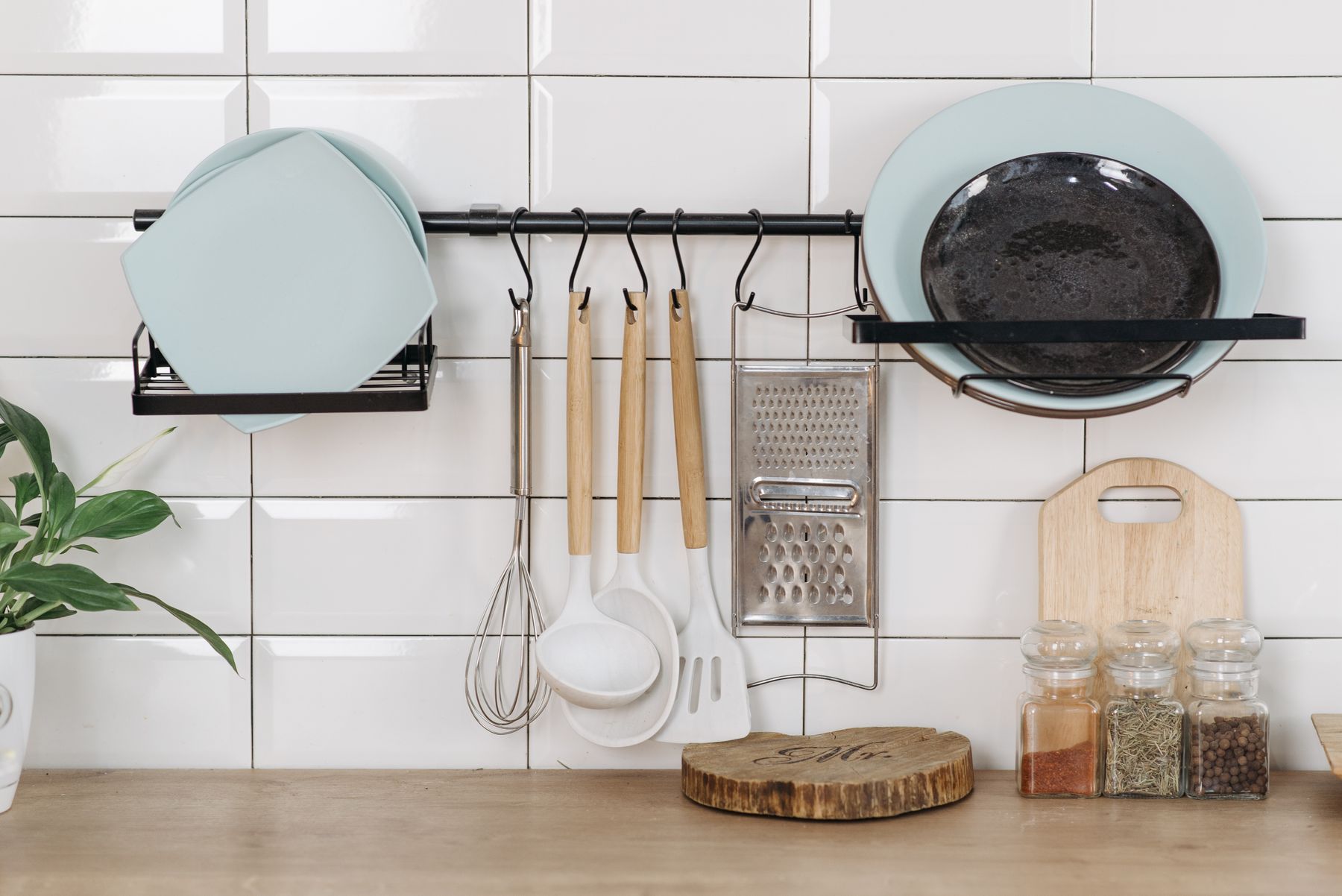
Materials, coatings, finishes and construction can require different care. This guide provides general kitchen-care habits and should not replace product-specific cleaning, temperature, dishwasher or maintenance instructions.
A simple rhythm from use to storage.
Product care does not need to become another complicated kitchen task. The most useful routine is often a consistent one: let items settle after use, clean them appropriately, dry them thoroughly and return them to a suitable place.
Pause after use
Allow hot cookware, bakeware and serving pieces to return toward a manageable temperature before cleaning. Sudden temperature changes may be unsuitable for some materials.
Cool thoughtfullyClean appropriately
Follow the specific item's care directions. Use cleaning tools and products suited to the surface rather than assuming the same method works for every pan, knife, container or glass.
Match the materialDry completely
Wipe or air-dry thoroughly before storage, especially around seams, handles, lids, joints and other areas where moisture can remain unnoticed.
Finish the cleanReturn with care
Give frequently used items an intentional storage place so edges, surfaces, glassware and fitted parts are less likely to knock, scrape or become crowded.
Ready for next time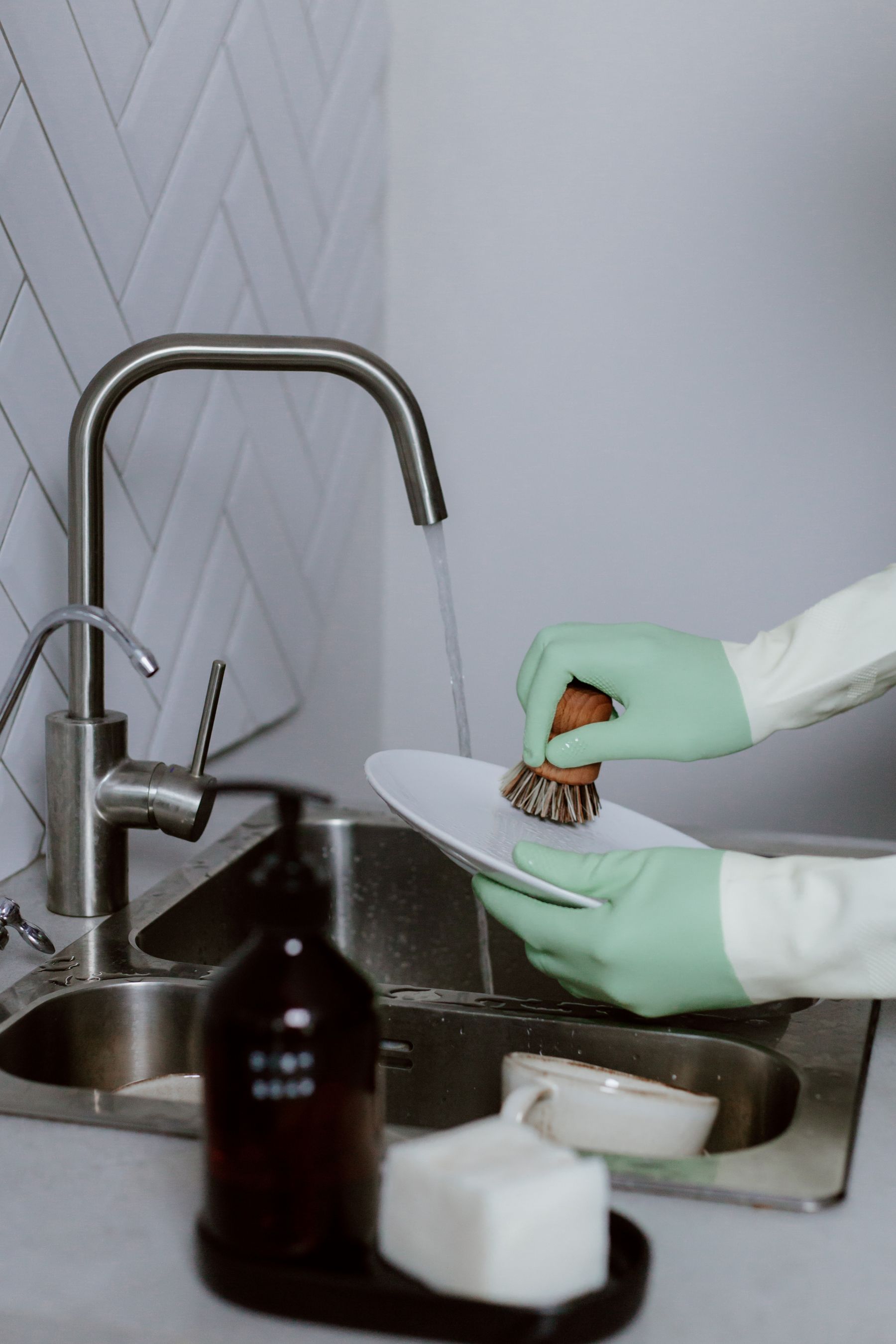
Gentle first is a useful place to begin.
Kitchen products can combine different materials, finishes and moving parts. When specific instructions are unavailable, avoid aggressive treatment until you understand what the item is designed to tolerate.
-
01
Check care information first Look for cleaning, dishwasher, temperature and maintenance guidance supplied with the individual product.
-
02
Avoid unnecessary abrasion Rough pads and highly abrasive cleaners may be unsuitable for some coatings, polished surfaces, printed finishes and delicate tableware.
-
03
Pay attention to joints and edges Handles, rims, lid channels, blades, hinges and fitted components often need more deliberate drying than broad flat surfaces.
-
04
Do not assume dishwasher compatibility Only use a dishwasher when the specific product instructions indicate that the item is suitable for that cleaning method.
Different routines deserve different attention.
A chef's knife, baking tray, glass tumbler and pantry container do not experience the kitchen in the same way. These broad care notes help organize the routine while leaving material-specific instructions to the individual product.
Pans, woks, saucepans and stockpots
Let cookware settle after cooking and remove food residue using a cleaning method appropriate to its construction and surface.
- Avoid abrupt temperature changes unless specifically permitted.
- Use utensils suited to the cooking surface.
- Dry rims, handles and exterior surfaces before storage.
- Protect finished surfaces when stacking where appropriate.
Knives, shears, boards and utensils
Preparation tools benefit from prompt cleaning and a storage setup that keeps working edges and food-contact surfaces protected.
- Clean food residue soon after use.
- Keep sharp edges away from loose drawer contact.
- Dry joints, handles and blade areas carefully.
- Store tools so they remain easy to identify and retrieve.
Trays, pans and baking tools
Baking leaves behind fats, flour, sugar and cooked residue that can require attention without aggressive scraping.
- Allow hot bakeware to cool before routine cleaning.
- Loosen residue using a method suitable for the surface.
- Avoid sharp scraping on finishes that may mark.
- Dry thoroughly before stacking or putting away.
Plates, bowls, flatware and glassware
Serving pieces are exposed to frequent handling, stacking and contact with other objects, making careful placement an important part of care.
- Separate delicate pieces from heavier kitchen tools.
- Avoid overcrowding storage areas.
- Check rims and edges when putting pieces away.
- Use dishwasher cleaning only when the item permits it.
Containers, jars and storage pieces
Food and pantry storage works best when containers, lids and organizing pieces return to use clean, dry and easy to pair.
- Wash food-contact areas according to product instructions.
- Dry lids, grooves and sealing areas carefully.
- Store matching components together when practical.
- Keep pantry and refrigerator organizers free from spills.
Coffee, tea and drink accessories
Beverage tools regularly encounter water, coffee, tea and other liquids, so consistent rinsing, cleaning and drying helps keep the routine orderly.
- Do not allow drink residue to remain longer than necessary.
- Clean narrow openings and fitted parts carefully.
- Dry components before reassembly or enclosed storage.
- Follow specific descaling guidance when applicable to the product.
Good care continues after the washing is done.
Cupboards, drawers, pantry shelves and countertop organizers are part of the product-care system. Thoughtful spacing can reduce unnecessary contact and make everyday kitchen tools easier to return, find and use again.

Small habits that make care easier.
The goal is not to make the kitchen precious. It is to make maintenance feel natural enough that frequently used tools can move smoothly from worktop to sink to storage and back again.
Read before first use
Product-specific instructions can clarify cleaning, heat, dishwasher, storage and maintenance requirements before the first kitchen routine begins.
Clean soon after the task
Prompt attention to ordinary residue can make the care routine simpler than leaving food, drink or cooking residue to remain unnecessarily.
Choose tools for the surface
Cleaning brushes, cloths, pads and utensils should be appropriate for the finish they touch rather than selected only for speed.
Dry hidden areas
Lid channels, joints, grooves, handles and fitted parts can retain moisture even when the most visible surface already looks dry.
Store for the next use
An organized storage location protects the item while also making the next cooking, baking or serving routine easier to begin.
Inspect before returning to rotation
If an item develops damage, loose parts or another condition that affects safe use, stop using it until the appropriate next step is understood.
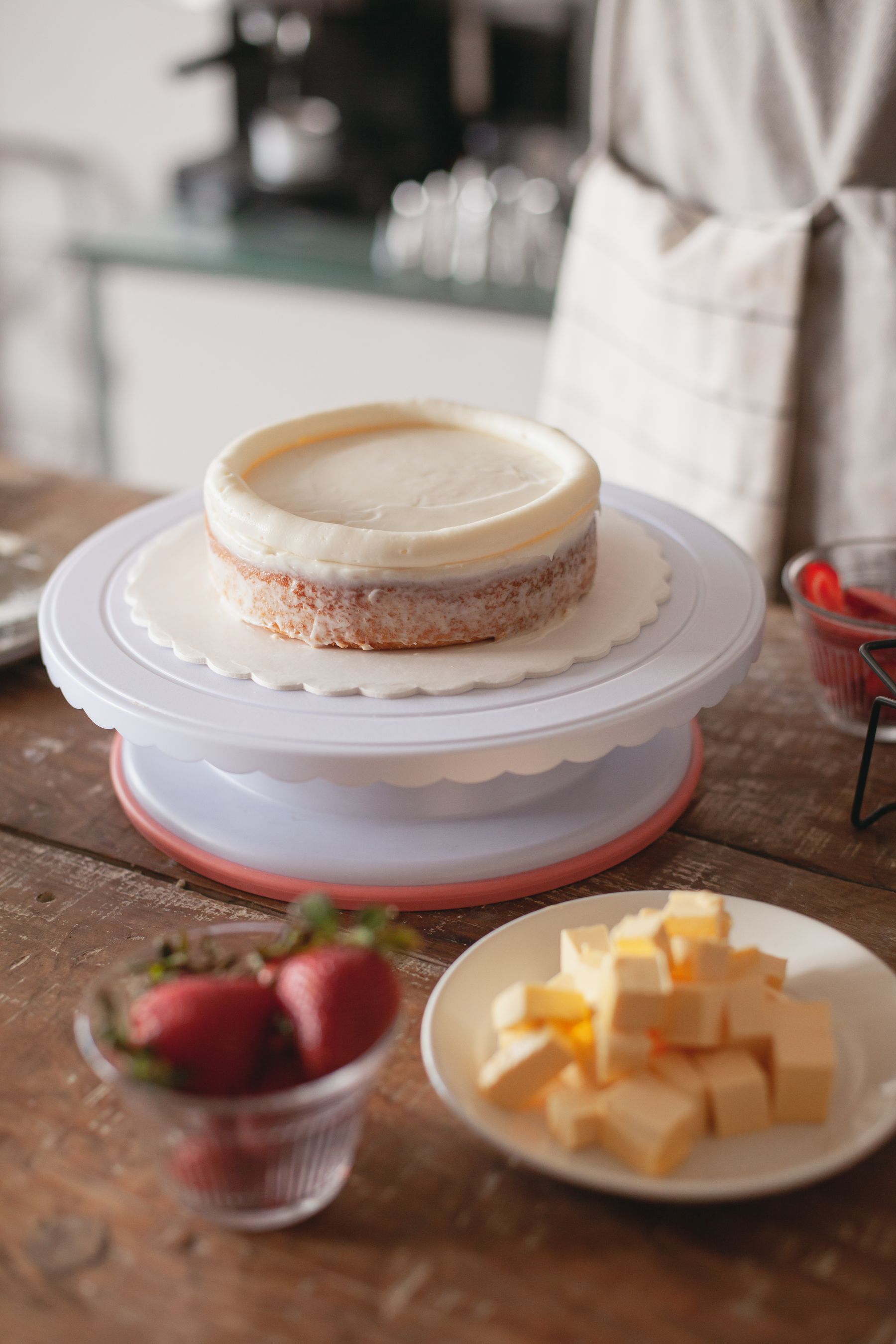
Clean tools make the next bake easier to begin.
Flour, dough, butter, sugar and baked-on residue move through a baking station in very different ways. Returning trays, measuring tools, rolling tools and utensils to a clean, dry and organized state helps reset the countertop for the next recipe.
A few useful care questions.
General advice can guide the routine, but the specific product instructions remain the most relevant source for material, heat, dishwasher and maintenance details.
Ask MealCraftCan I put every MealCraft kitchen item in the dishwasher?
Do not assume that every product is dishwasher suitable. Materials, finishes, coatings and construction vary. Use a dishwasher only when the care information for the specific product indicates that this method is appropriate.
Should I wash hot cookware immediately after cooking?
Avoid sudden temperature changes unless the specific cookware instructions clearly allow them. Let hot cookware return toward a manageable temperature and follow the care guidance for its material and construction.
How should knives and kitchen shears be stored?
Keep sharp edges protected and avoid loose contact with other objects where possible. Storage should also keep cutting tools secure, dry and easy to identify before handling.
How should food containers be stored after cleaning?
Make sure the container, lid and any grooves or sealing areas are clean and dry before enclosed storage. Keep related components organized together when practical and follow the item's specific temperature and usage instructions.
Can abrasive pads be used on cookware and bakeware?
Not automatically. Abrasive pads may be unsuitable for some coatings, polished finishes and other surfaces. Check the product-specific instructions before using an abrasive cleaning method.
What should I do if I am unsure how to care for an item?
Review any care information supplied with the product first. If you still need clarification, contact MealCraft and describe the item and the care question without guessing at a cleaning or maintenance method.
Use well. Care thoughtfully. Return ready.
The best kitchen-care routine is one that fits naturally around cooking, baking, serving and organization. When a product needs more specific attention, MealCraft is here to help you find the right next step.
MealCraft · Thoughtful kitchen essentials for everyday cooking and gathering.
Product Care Guide